Seedling Families,
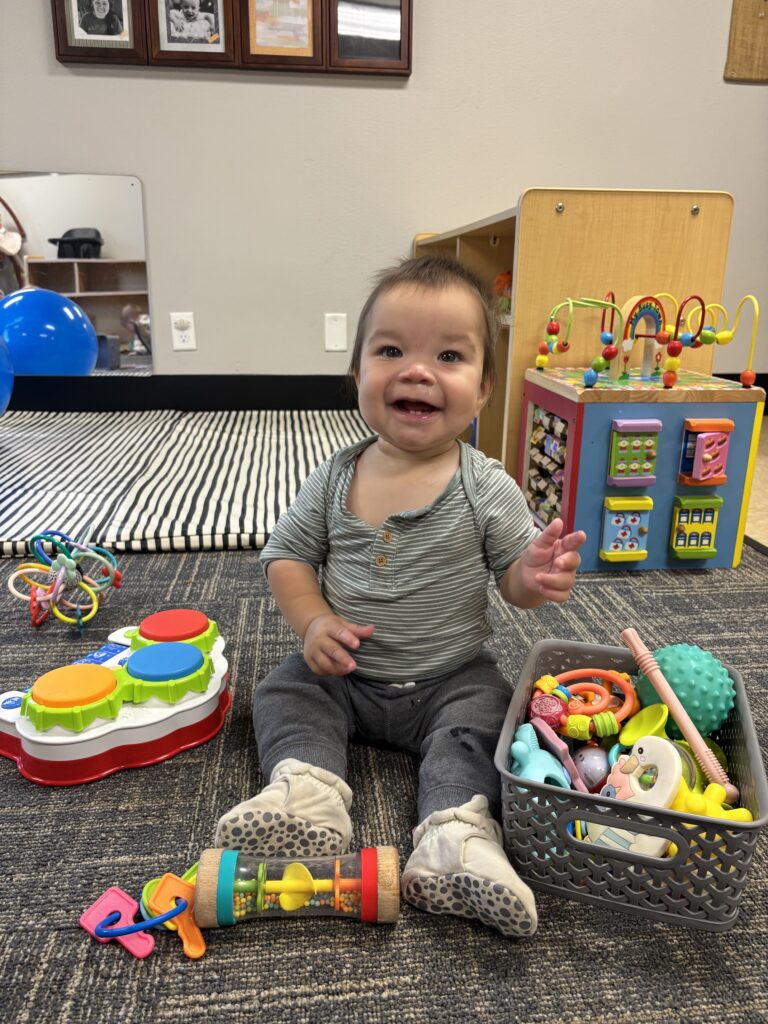
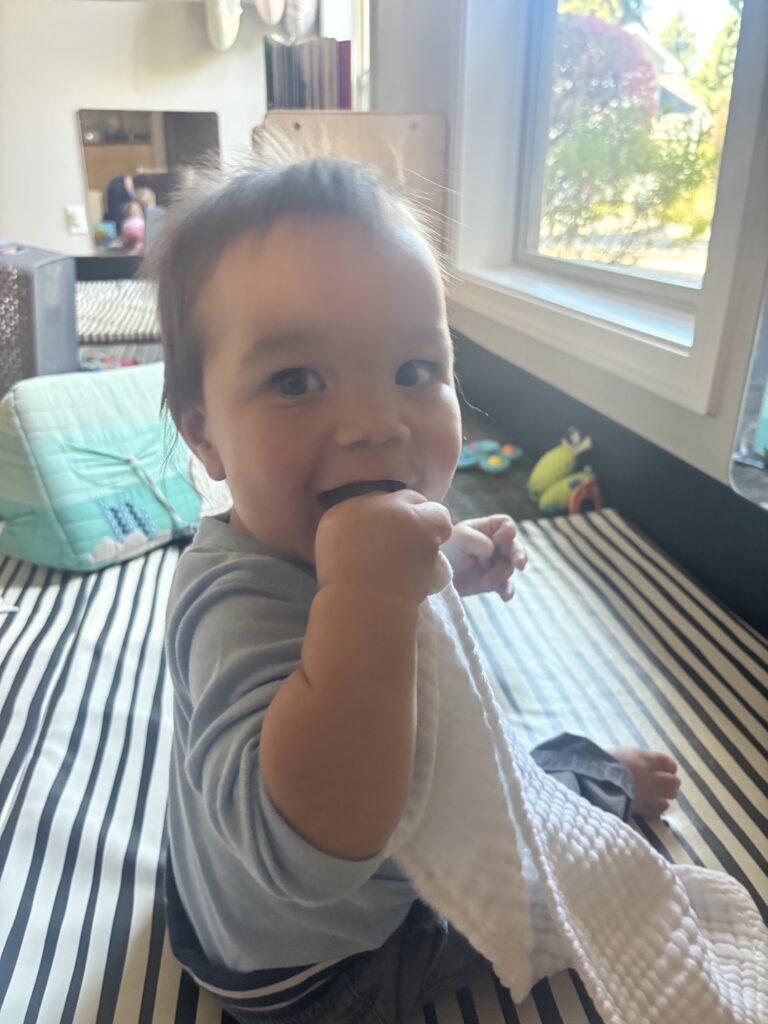
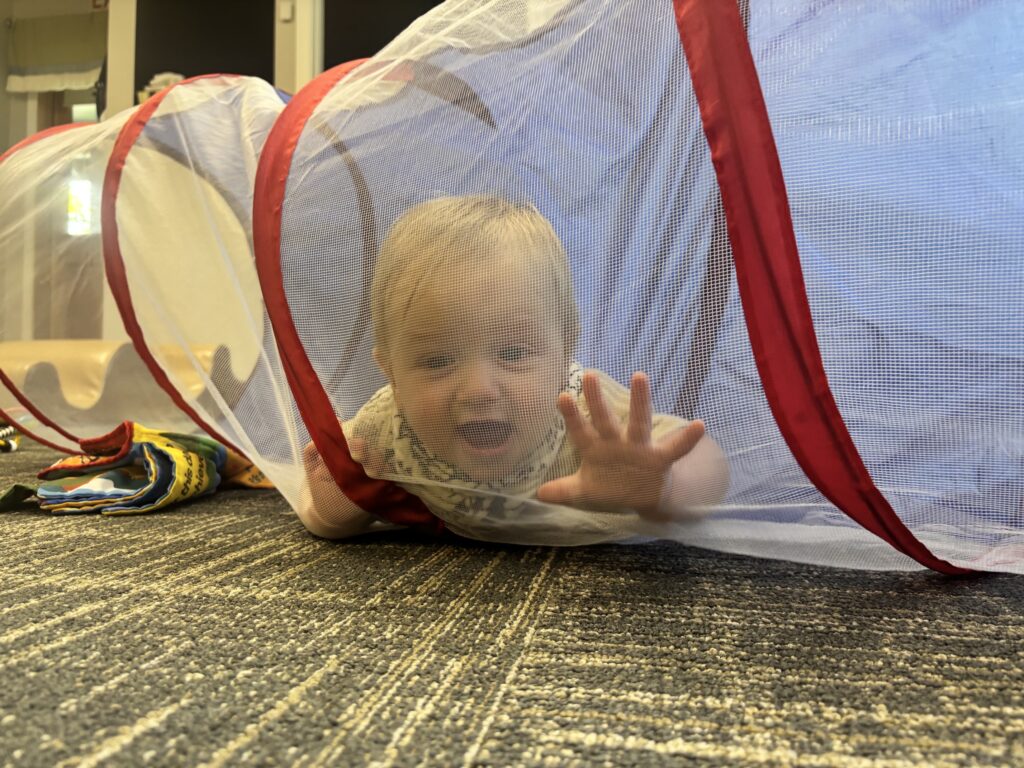
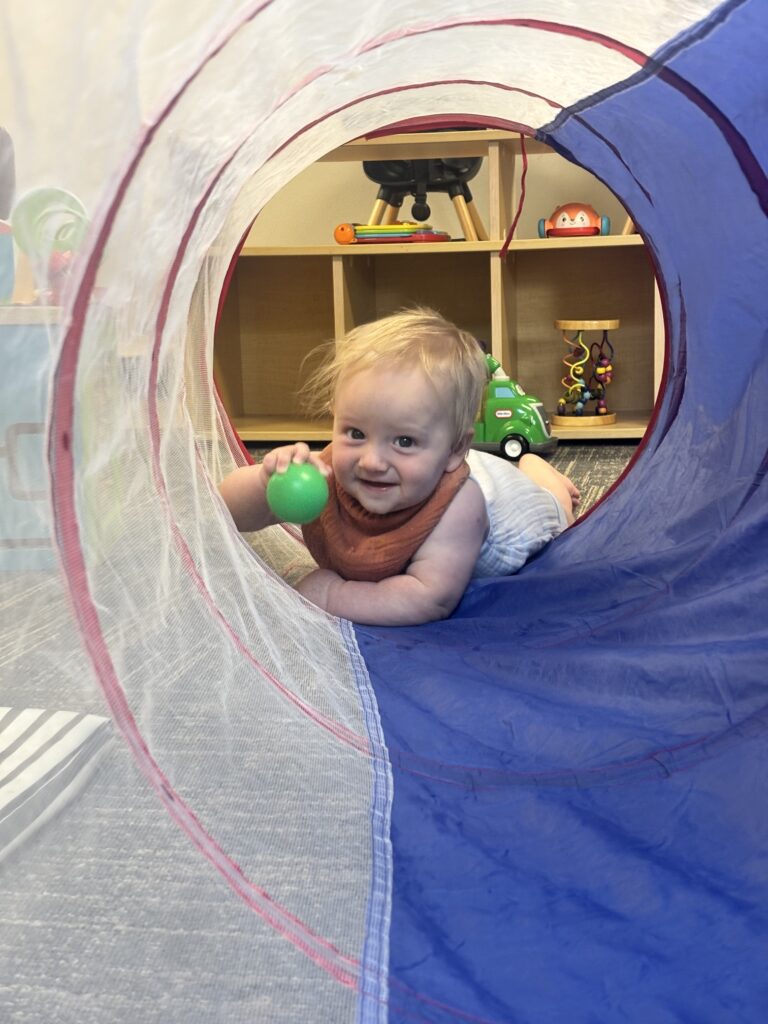
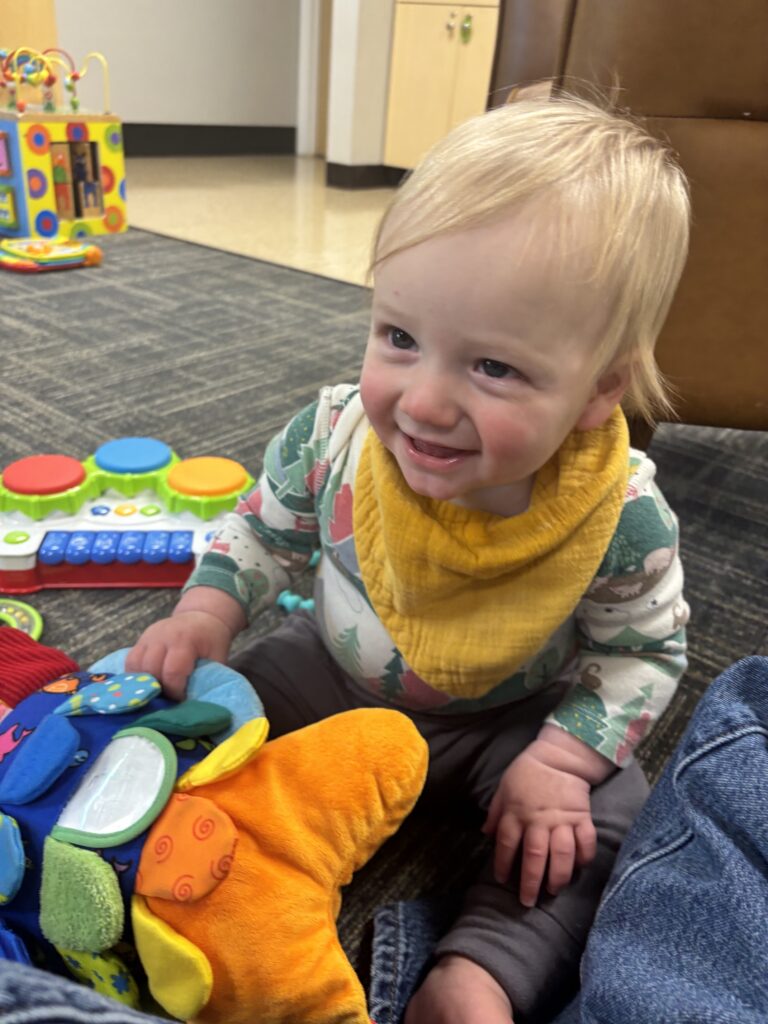
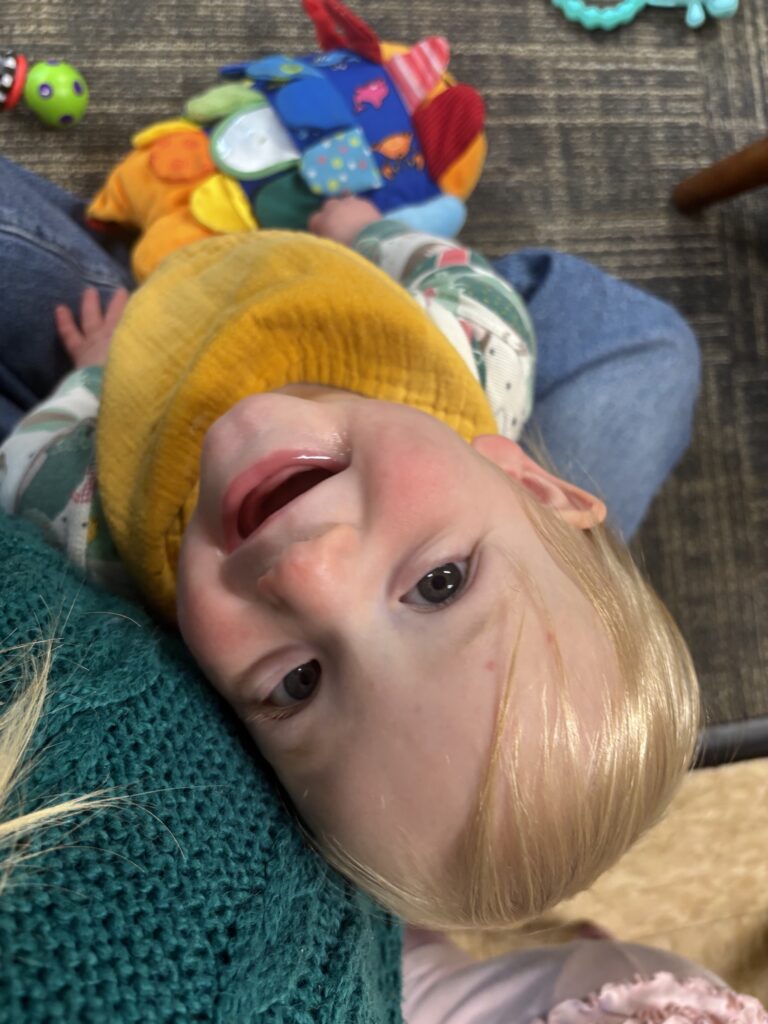
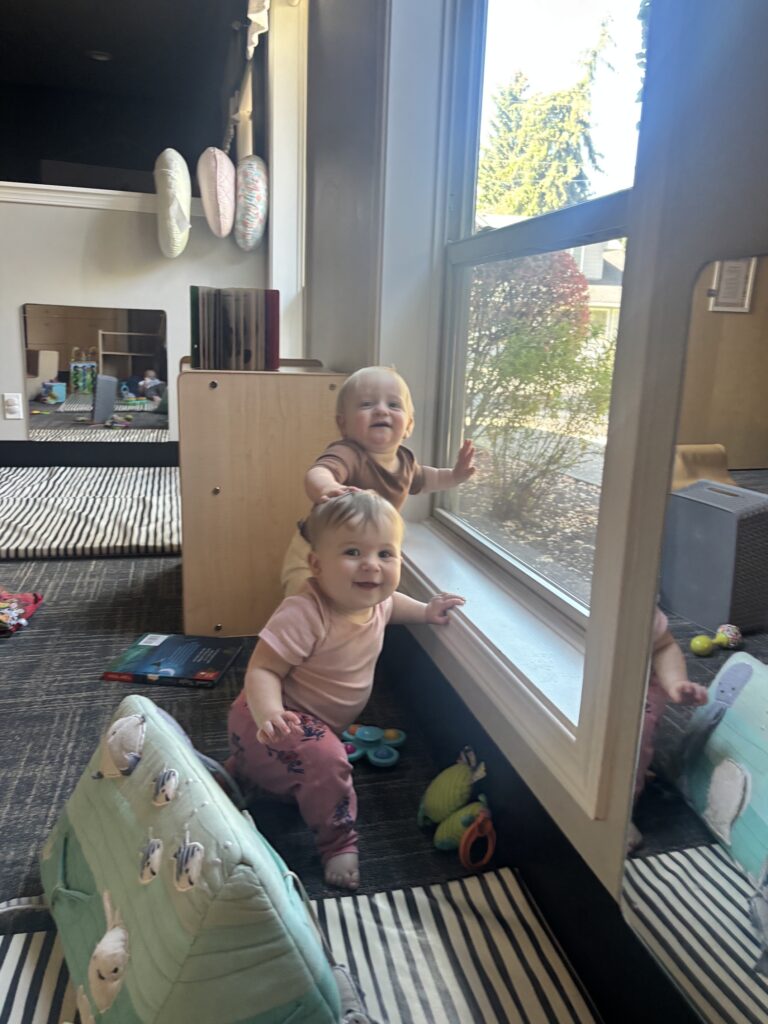
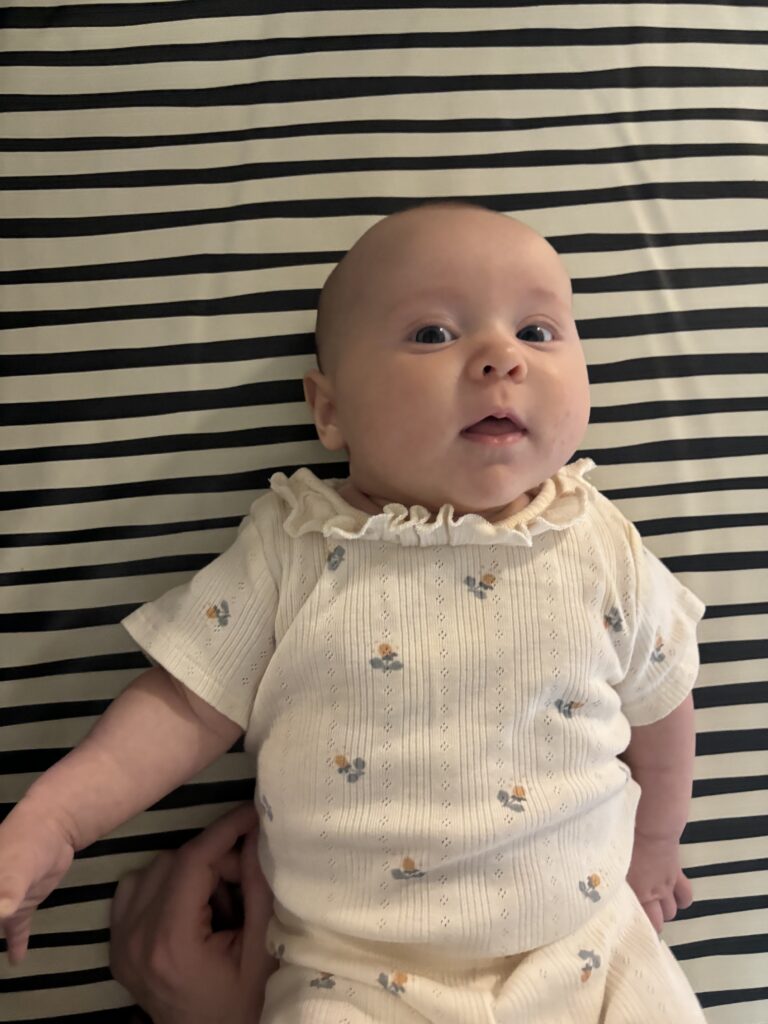
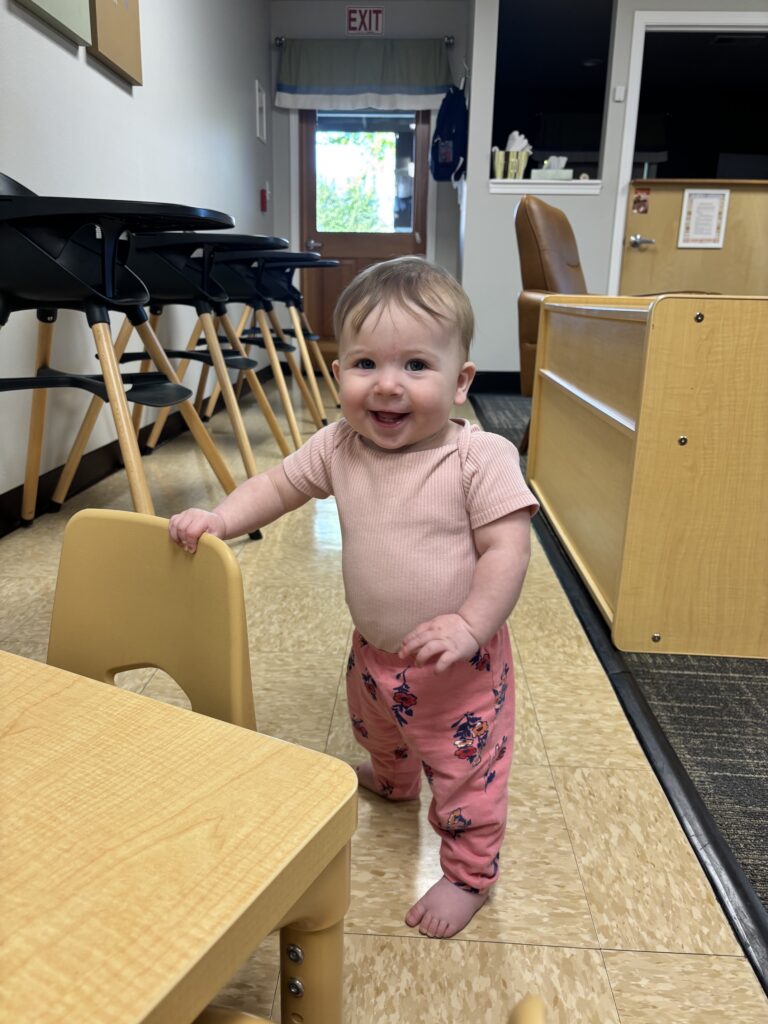
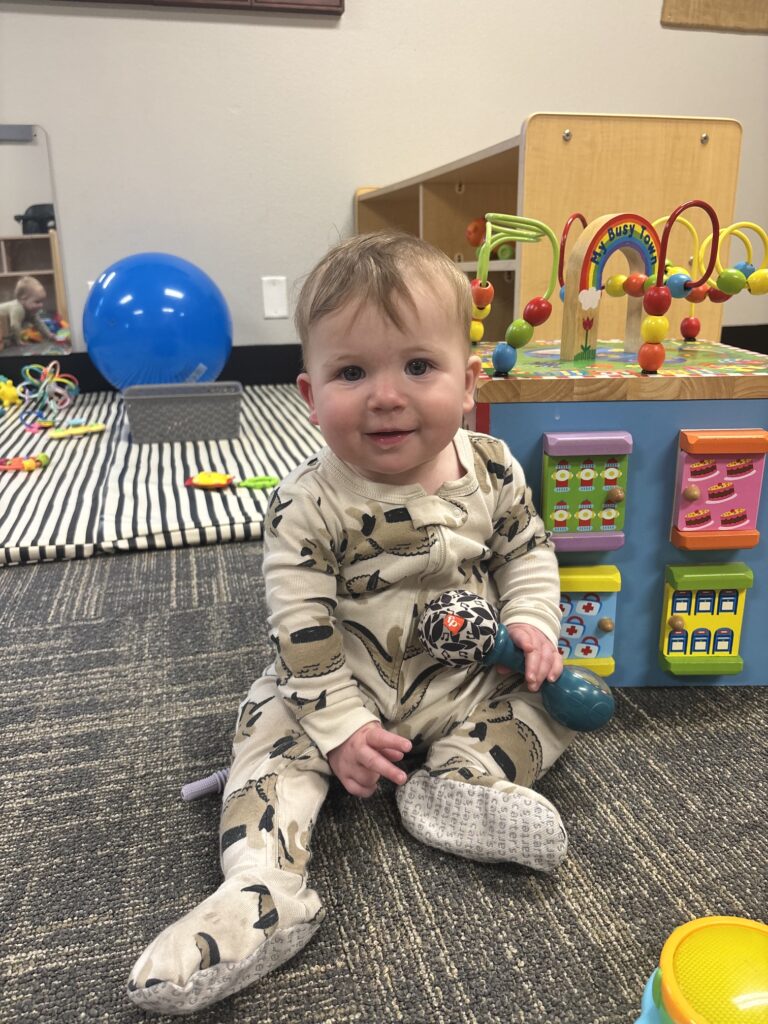
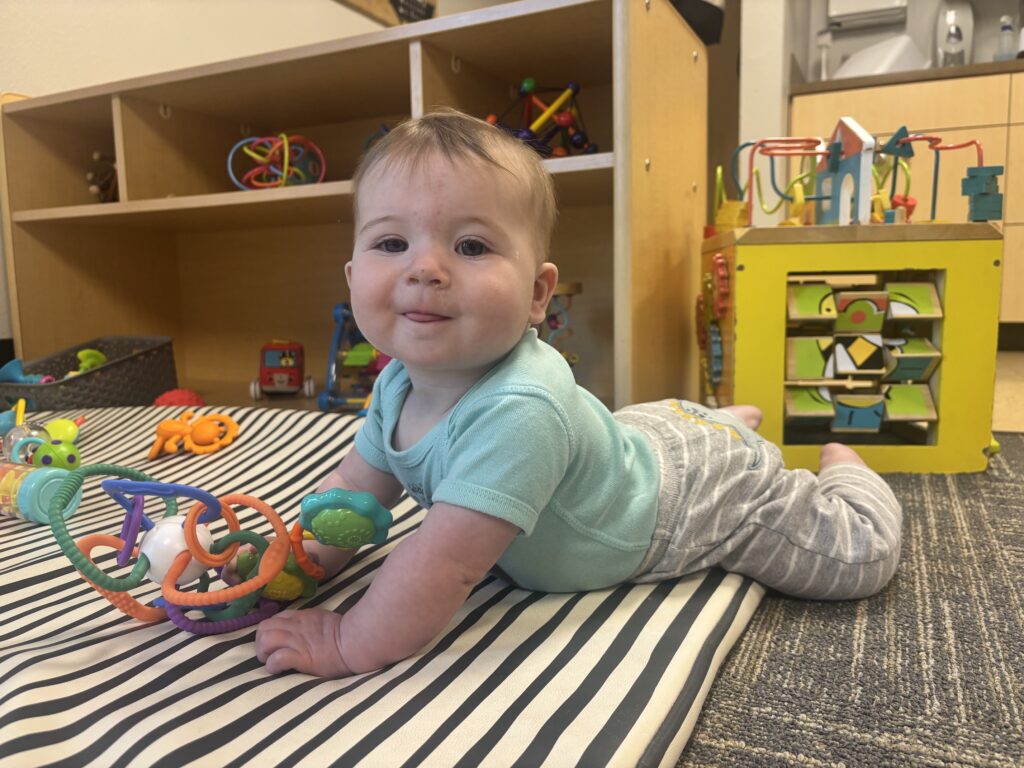
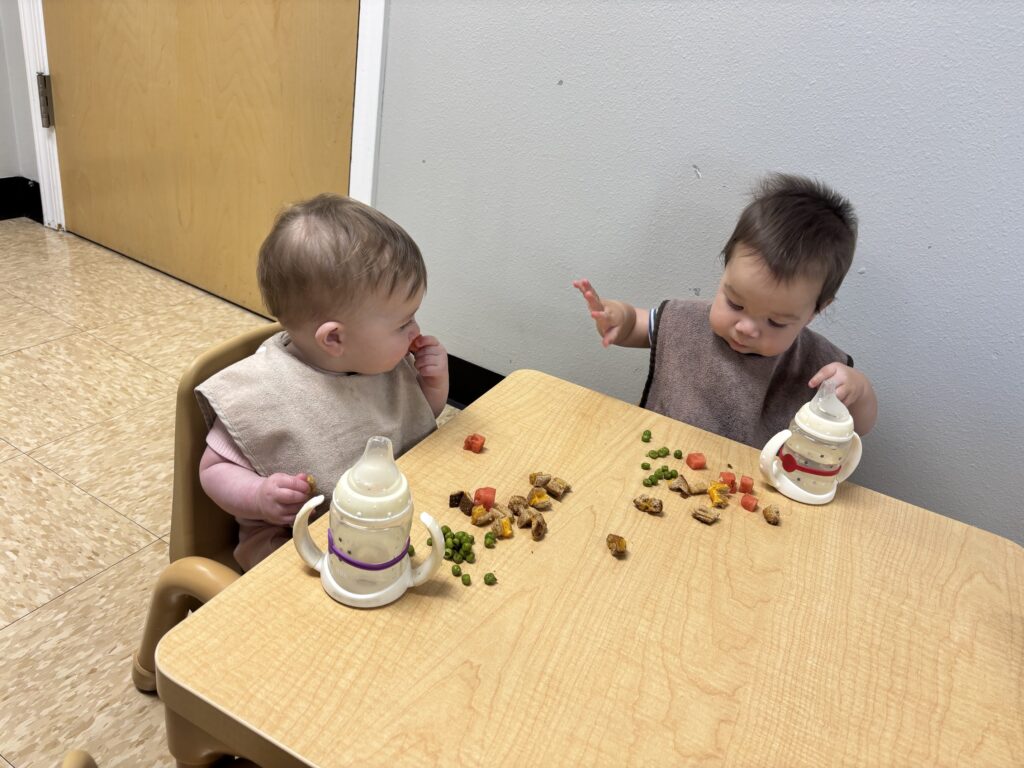
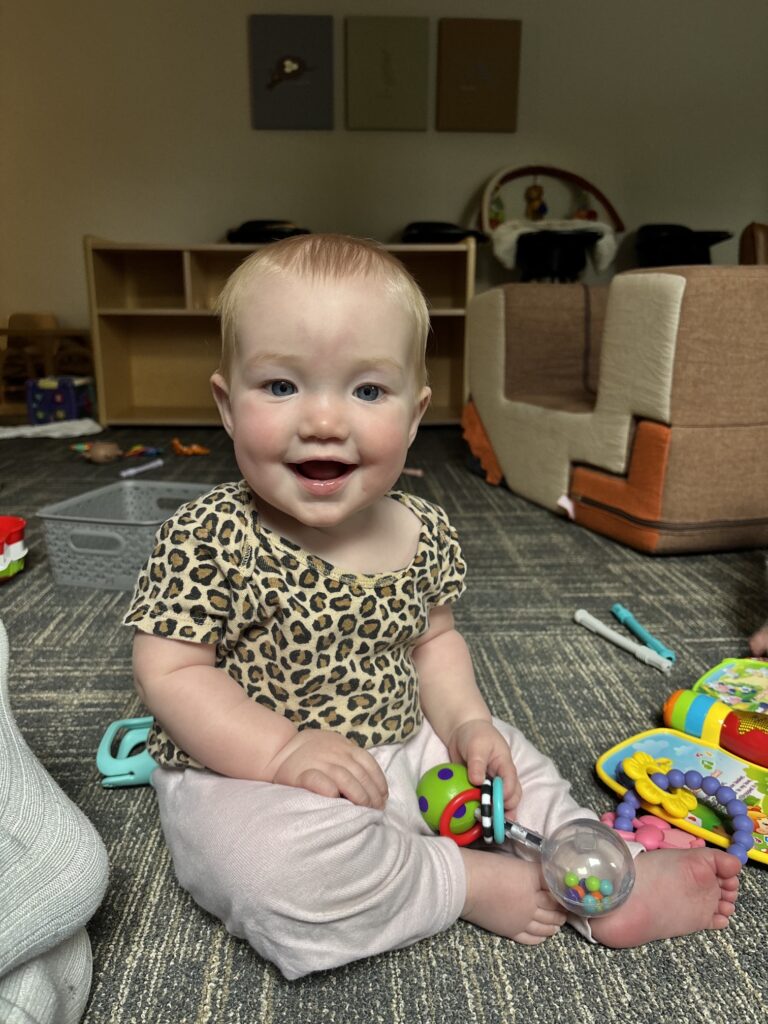
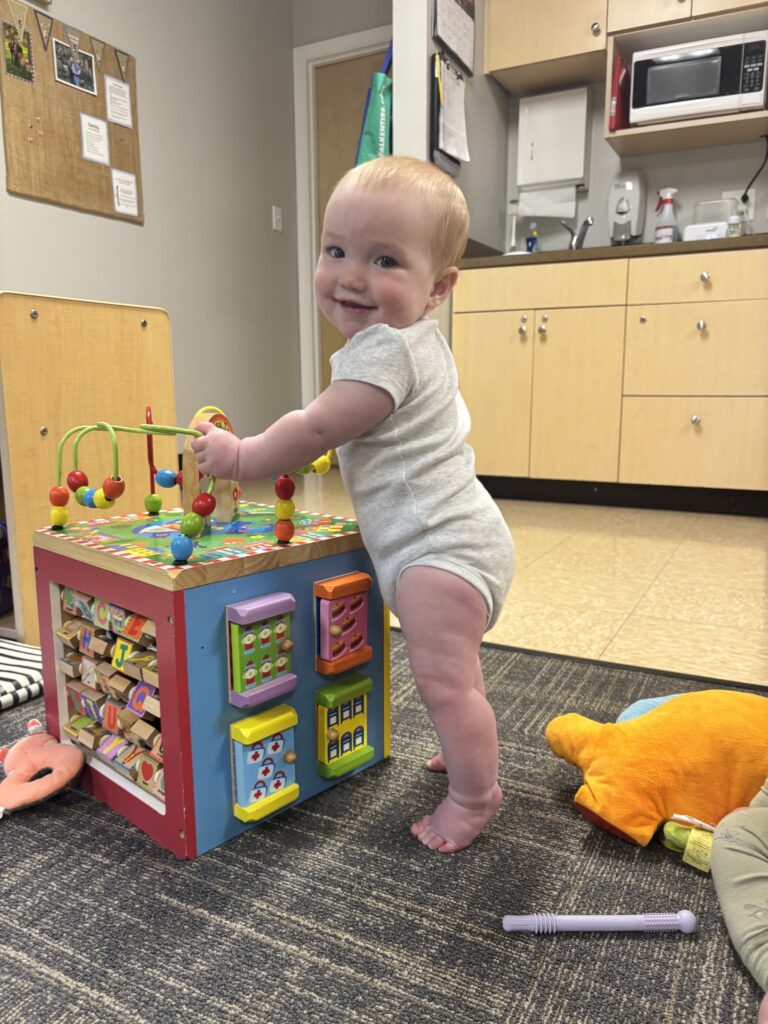
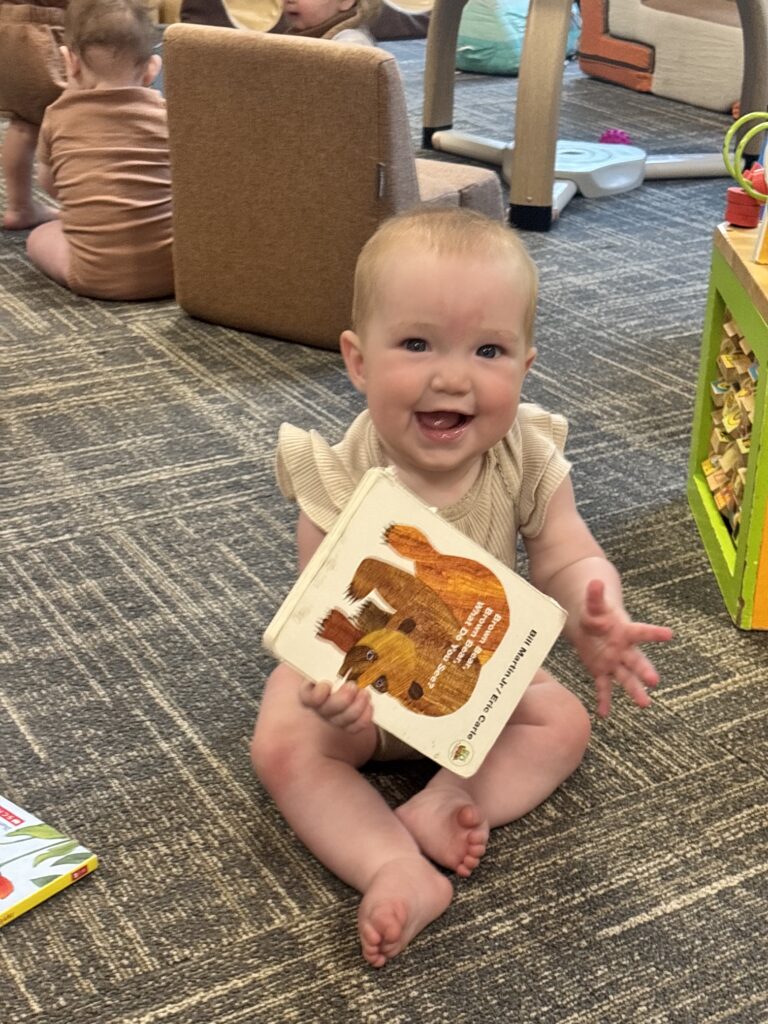
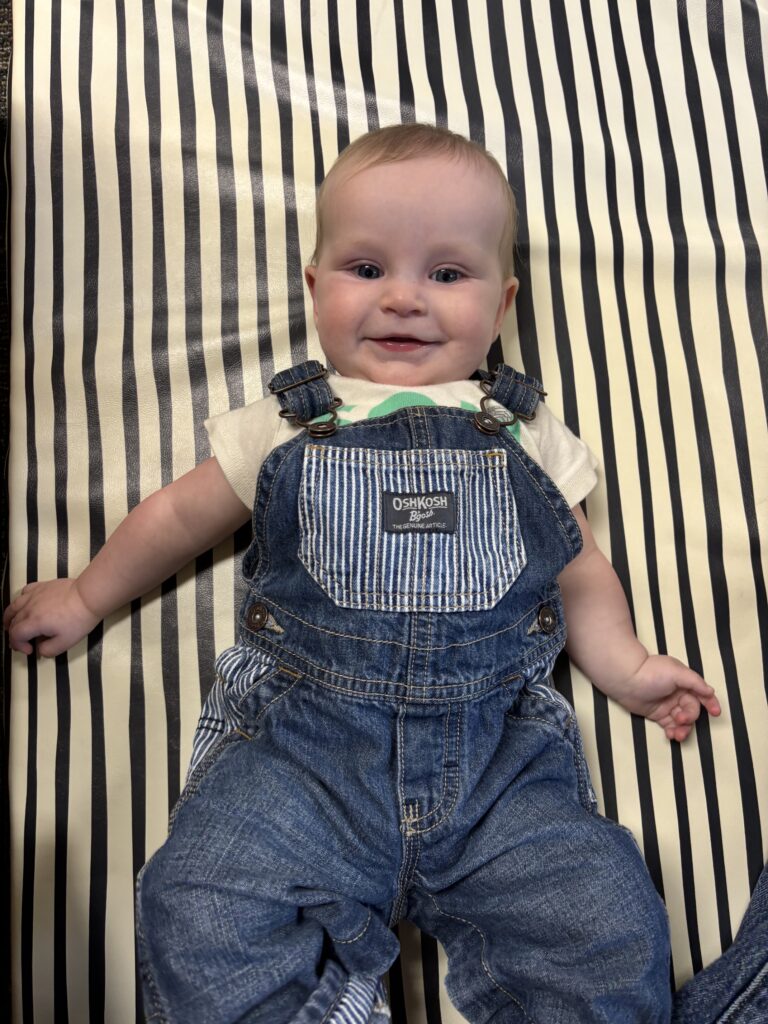
We have completed our first month in our new school year! We welcomed Alexander, Bowie, and Margot. Ford will join us this month! We spent this month getting to know our new friends and exploring new skills!
Important dates:
- Event: Saturday October 3rd, 2026 Happy Harvest at DD Ranch 10-11:30 am
- Closure: Wednesday November 11, 2026
- Closure: Thursday November 26 & Friday November 27
Individual Schedules
Our classroom is the only one where all children follow individualized schedules based on an eat, play, sleep routine. This is why it’s crucial at the start of the day to know when your baby last woke up and had their last bottle (message us on Brightwheel before or after drop-off to let us know).
So what is an eat, play, sleep routine?
Children of all ages thrive on knowing what comes next, but for babies in particular, a consistent routine helps your little one anticipate daily patterns—when it’s time to feed, explore, move, or rest. This predictability often leads to smoother transitions and a calmer day. Think of it as a gentle, rhythmic flow that supports your baby’s sense of security.
An eat, play, sleep schedule is a flexible routine in which your baby is fed (bottle or breast) after waking, spends time playing or interacting with their peers, a caretaker, and their environment, and then, when showing cues of tiredness, is laid down for a nap before becoming overtired. This pattern repeats throughout the day — eat, play, sleep, repeat — creating a predictable rhythm without the need to follow a strict or timed schedule.
This routine allows infants to separate sleep from eating; it helps reduce nightly wake-ups, ensures babies get full feeds rather than snacking and assists babies in digesting their bottles by giving them time during play to do so, which can help with reflux.
The eat, play, sleep routine allows you to extend wake windows without disrupting routines rather than being set on a time that they must sleep by. Wake windows for a 2 month old may be between 45-90 min, a 4 month old may be 1.5-2.5 hours and a 9 month old may go 3-4 hours between naps. We watch for the infants’ cues to show they are sleepy too. Sometimes their body could be going through a growth spurt, fighting illness or working a little extra hard from disrupted sleep or changes to routine.
Watch for sleepy cues– some infants will yawn, rub their eyes, suck on their fingers, zone out or turn their heads away from play. This is a sign they’re getting ready to wind down. Getting them to bed before they become overtired will help them get to sleep much easier. Eventually when the infant seems ready, we aim to lay the baby down while drowsy rather than asleep to help build independent sleep habits.
We are so happy to have you all in our room and hope you feel comfortable to ask any questions you have!
Warmly,
Miss Danielle & Miss Jo